Sidewalks, Walkways & Flatwork
Safe, attractive walkways connect your property and create smooth surfaces for daily use without trip hazards or drainage problems.
Flatwork Services for Your Property
Flatwork covers any horizontal concrete surface. At Grover Beach Concrete, we install sidewalks, walkways, paths, and other flat surfaces that handle foot traffic and weather for decades. These surfaces need proper slope for drainage, smooth finishes that prevent tripping, and enough strength to resist cracking from settling or temperature changes.
Public Sidewalks and ADA Compliance
Public sidewalks must meet specific standards for width, slope, and accessibility. The Americans with Disabilities Act sets requirements for curb ramps, cross slopes, and surface texture. We know these regulations and ensure your sidewalk installation passes inspection the first time.
Most residential sidewalks run four feet wide and four inches thick. They require expansion joints every four to six feet and control joints to direct any cracking. The surface gets a broom finish for traction in wet conditions. We install proper base material and ensure adequate drainage so your sidewalk stays level and functional for years.
Residential Walkways and Paths
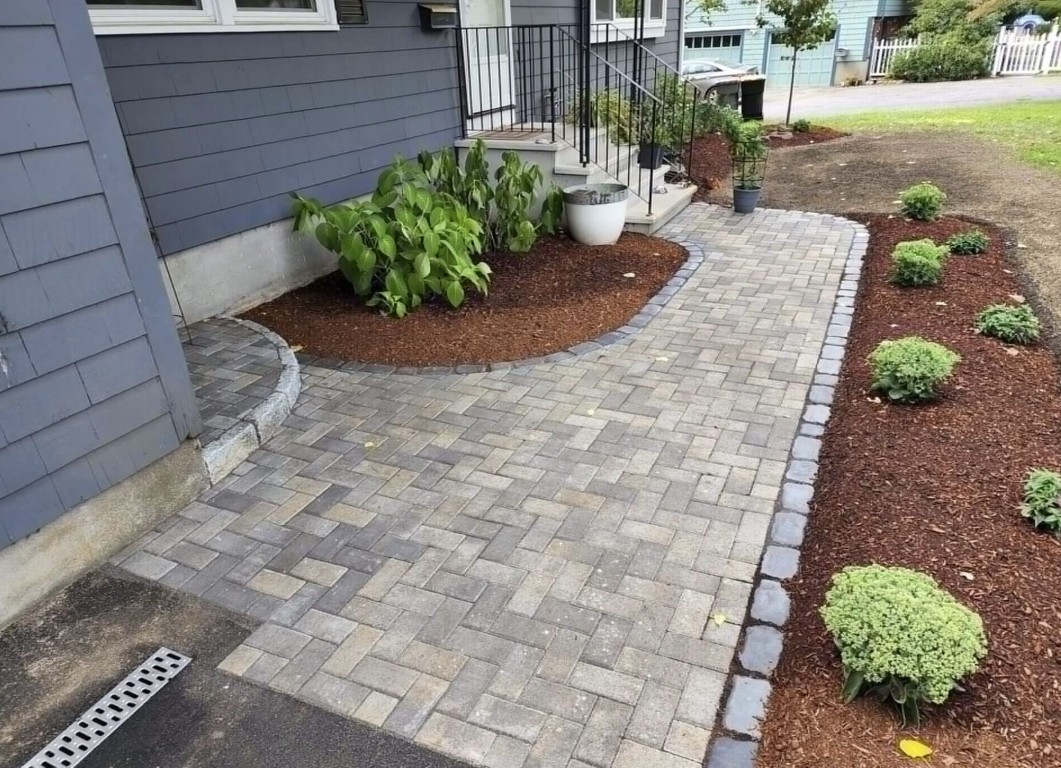
Walkways connect your home to the street, driveway, or backyard. They need to be wide enough for comfortable walking, typically three to four feet. Curved walkways add visual interest but require more skill to form and finish properly. We create paths that complement your landscaping and direct traffic where you want it to go.
- Front walkways from street or driveway to entry door
- Side yard paths connecting front and back yards
- Backyard walkways to patios, sheds, or gardens
- Pool deck approaches and surrounding flatwork
- Service paths to utilities, gates, or storage areas
- Decorative garden paths with stamped or colored finishes
- ADA-compliant ramps and accessible routes
How We Build Walkways That Last
Quality flatwork starts below ground. We excavate to stable soil and install a compacted gravel base that provides drainage and prevents settling. The base depth depends on soil conditions, but most walkways need at least four inches of compacted gravel under four inches of concrete.
Proper slope prevents water from pooling on the surface. Walkways should slope at least one quarter inch per foot away from buildings. This gentle grade sheds water without being noticeable when you walk on it. We use forms and string lines to ensure consistent slope throughout the project.
Joints and Reinforcement
Control joints manage cracking in concrete. We cut or form joints that create weak spots where concrete can crack in a straight line rather than randomly. These joints go about one quarter of the way through the slab depth and get placed every four to six feet for four-inch thick concrete.
Expansion joints separate walkways from buildings, walls, or other rigid structures. These joints allow independent movement so your walkway can expand and contract with temperature changes without damaging adjacent structures. We use fiber board or similar materials to create proper expansion joints.
Wire mesh or fiber reinforcement prevents large cracks from opening. The reinforcement does not prevent cracking but keeps cracks tight and holds the concrete together. This is especially important for walkways that cross soft soil or areas with settling concerns. Our installation standards match those we use for driveways and patios.
Design Options for Walkways and Flatwork
Plain concrete walkways work well and cost less than decorative options. A broom finish provides traction and looks clean. Exposed aggregate adds texture and visual interest by revealing the stone in the concrete. Both finishes last for decades with minimal maintenance.
Decorative Flatwork Options
Stamped concrete transforms walkways into design features. Patterns that mimic stone, brick, or tile create upscale appearances at moderate cost. Borders in contrasting colors or patterns frame walkways and add polish. We cover decorative options in detail on our stamped concrete page.
- Broom finish for practical, slip-resistant surfaces
- Exposed aggregate that showcases natural stone beauty
- Stamped patterns in stone, brick, or slate designs
- Colored concrete using integral pigments or stains
- Decorative sawcut patterns for visual interest
- Borders and accent strips in contrasting colors
- Combination finishes mixing smooth and textured areas
Safety Considerations
Smooth finishes look elegant but can be slippery when wet. We recommend textured finishes for outdoor walkways where rain, dew, or irrigation creates moisture. The texture does not need to be rough, just enough to provide grip.
Trip hazards develop when sections settle unevenly. Proper base preparation prevents most settling issues. If settlement does occur, we can lift and level concrete through mudjacking before it becomes a safety problem. Regular inspection catches small issues before they require major repairs.
Walkway and Flatwork Questions
Build Your Perfect Walkway
Contact Grover Beach Concrete for quality sidewalk and walkway installation. We provide free estimates and expert advice on design and materials. Call (805) 269-8516 or fill out our online form to get started.
Call (805) 269-8516