Loading...
Serving Grover Beach, CA and surrounding areas. (805) 269-8516
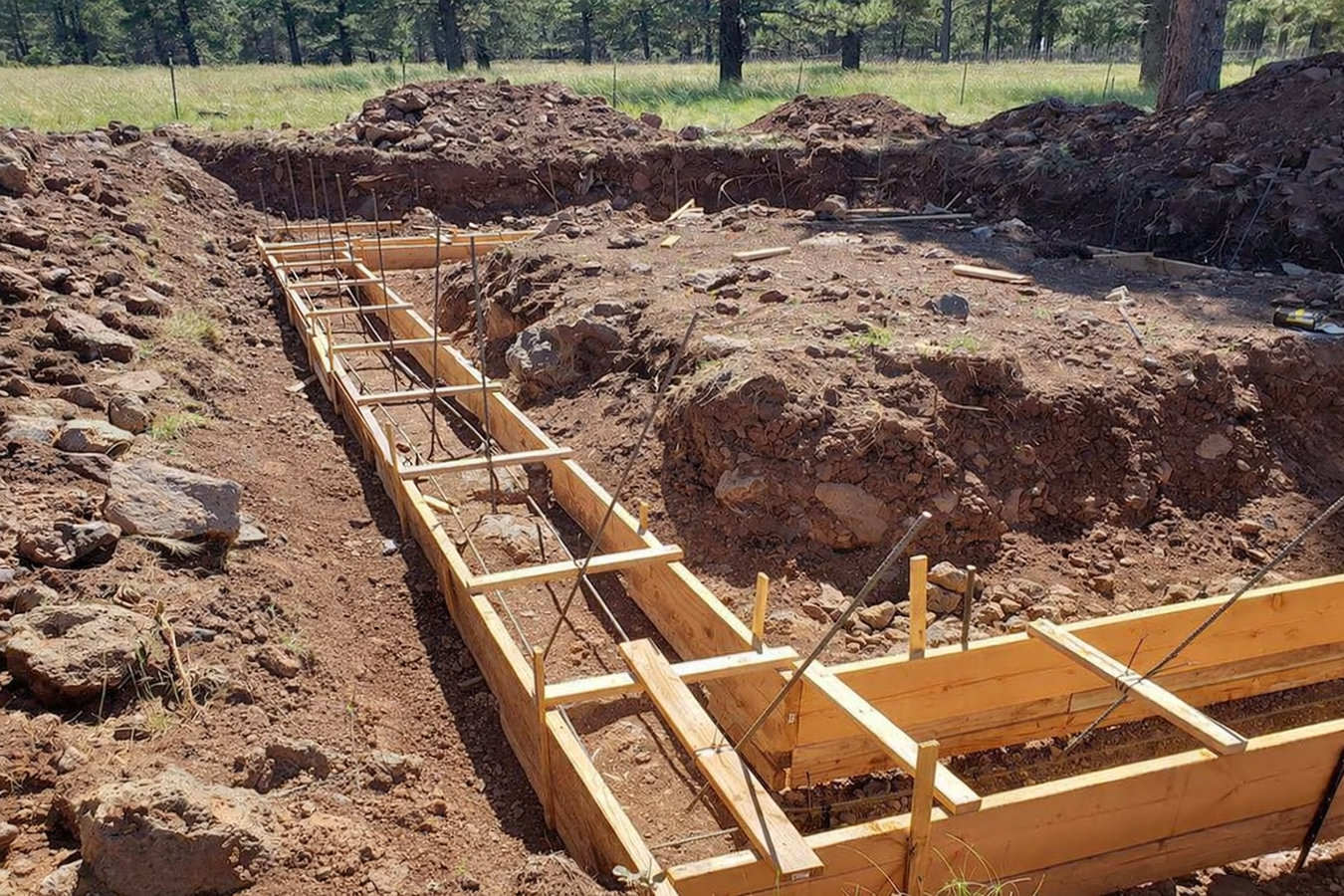
Deck, addition, fence, or retaining wall? Your project starts with the right footing. We pour concrete footings in Grover Beach built for sandy coastal soils, with seismic reinforcement and permits handled through the city.
Concrete footings in Grover Beach are buried concrete bases that carry the load of decks, additions, fences, and other structures down into stable ground - most residential jobs take one to three days of active construction, plus a two-to-four-week permit and curing period before framing on top can begin. In Grover Beach, sandy coastal soils often require footings to go deeper than standard specs to reach firm bearing ground.
Most homeowners contact us when they are adding a deck or outdoor structure, replacing a fence whose posts have rotted or shifted, or starting a room addition that requires structural permits. Concrete footings in Grover Beach are not complicated work, but the depth, width, and reinforcement requirements are determined by what is actually in the ground - which is why a site assessment before quoting is not optional.
If your project also involves a slab pour for a garage or foundation, our foundation installation service covers larger-scale structural concrete work. For existing foundations that need leveling or lifting, see our foundation raising page.
If a structure that used to sit flat and level now looks like it is tilting, sinking on one side, or pulling away from the house, the footing underneath it has likely failed or shifted. In Grover Beach's sandy soil, this can happen gradually over years as the ground beneath a footing slowly gives way. A leaning structure puts stress on everything connected to it and does not fix itself.
Diagonal cracks near the corners of door frames or windows are a classic sign that part of your home's foundation or footing system has moved. In older Grover Beach homes built on sandy coastal soil, this kind of settling can happen slowly over decades. It does not always mean a crisis, but it does mean a professional should take a look at what is happening below grade.
Any time you add a new structure to your property - a deck, room addition, detached garage, or large pergola - new concrete footings are almost certainly required by the city. This is not optional; it is part of the permit process. Building without proper footings can create problems when you sell your home or file an insurance claim.
Grover Beach's sandy soils drain quickly, so if spots in your yard stay soft or feel hollow underfoot even during dry stretches, it could indicate voids or erosion beneath existing footings. This is worth investigating near fence posts, deck piers, or the edges of your foundation. Voids under footings are a slow-moving problem that gets more expensive the longer it goes unaddressed.
We pour concrete footings for decks, room additions, fences, retaining walls, accessory structures, and other residential projects throughout Grover Beach and the surrounding Five Cities area. Every job starts with a site assessment - we look at what is in the ground, not just the surface, before designing or pricing anything. Grover Beach's sandy coastal soils require footings that reach below the loose upper layer into stable bearing ground, and the seismic requirements for San Luis Obispo County mean every structural footing we pour includes the rebar placement and dimensions that the city inspector will check before the pour.
We handle the permit process with the City of Grover Beach Building Division from submission through final inspection. The American Concrete Institute standards for reinforced concrete footings guide how we place rebar and finish each pour. For projects that also include a full slab - garage, addition floor, or accessory dwelling unit - our foundation installation service handles that scope. If an existing foundation has shifted and needs to be raised, our foundation raising work addresses that separately.
Isolated pier footings for residential decks, pergolas, and covered patios - designed to the depth and diameter required by the city permit.
Strip footings for room additions, retaining walls, and structures that run along a line rather than sitting on isolated points.
Concrete-filled post holes for fences, gates, and driveway pillars - properly sized to resist the lateral load of the structure above.
Two conditions define footing work in Grover Beach that you do not deal with to the same degree inland. The first is the soil. Much of the city sits on the coastal plain where sandy, loose soils dominate - especially in the blocks closest to the beach and the dunes. Sandy soil does not grip a footing the way denser clay does, so footings here often need to go deeper, be wider, or have more reinforcing steel than a generic design spec would call for. A contractor who quotes footing work in Grover Beach without looking at your specific soil is guessing. The second is seismic design. San Luis Obispo County sits near active fault systems, and the California Geological Survey identifies this region as seismically active. Every structural footing we pour includes the rebar placement required to meet current California seismic standards.
We do footing work across the entire Five Cities area, including properties in Arroyo Grande and Nipomo, where older housing stock and sandy soils present the same challenges. Homes built in the 1950s through 1980s throughout this area often have footings that do not meet current code - and any addition or new structure will require fresh footings that do.
We come to your property, look at the site, and assess the soil and access conditions before quoting. You get a written estimate covering excavation, concrete, rebar, permit fees, and cleanup - no surprises mid-project. We reply within one business day of your inquiry.
We submit the permit application to the Grover Beach Building Division and manage the review process. Permit turnaround typically runs a few days to a couple of weeks. We track the timeline and notify you when we have approval to start.
The crew digs to the required depth, sets forms, and places reinforcing steel. For sandy coastal soils we dig to firm bearing ground, which may be deeper than a standard spec. A city inspector visits to verify the setup before any concrete is poured.
Concrete is poured after the inspection is signed off. The footing cures for several days before framing on top begins - your contractor will give you the specific timeline. A final city inspection closes out the permit, and you receive documentation that the work was inspected and approved.
We will visit your property, assess the soil conditions, and give you a written quote - no obligation, no sales pressure, and a response within one business day.
(805) 269-8516We hold the California C-8 Concrete Contractor license required for structural footing work in this state. Every footing we pour meets the seismic reinforcement standards that the City of Grover Beach and California building code require for San Luis Obispo County. You can verify our license on the CSLB website before signing anything.
We have pulled permits through the City of Grover Beach Building Division and understand the local inspection process. We do not suggest skipping permits to save time or money - unpermitted structural work creates real problems when you sell or make an insurance claim. Every footing job we do is permitted, inspected, and documented.
We do not price footing work over the phone. Grover Beach's coastal sandy soils vary by location - how deep we need to go and how much reinforcement is required depend on what is actually under your yard, not a standard spec. Our site visit before quoting means the price you agree to reflects the actual conditions, not a best guess.
A contractor who wants to pour before the inspector arrives is a red flag. We schedule the city inspection before every pour and welcome the review - it is the independent confirmation that the footing meets the standard. You get documentation after the inspection passes, so there is nothing to explain to a future buyer or insurance adjuster.
Footing work is invisible once it is done - the quality is locked in before anyone can see it. That is exactly why the combination of a site assessment, a permit, and an independent inspection matters more on this type of work than almost any other concrete job.
Existing foundation shifted or settled? Foundation raising restores level and repairs the underlying problem that footings alone cannot address.
Learn moreFull foundation pours for new structures, additions, and accessory dwelling units - larger-scale structural concrete that starts where footings leave off.
Learn morePermit slots fill as the building season opens - contact us now so we can get your application in and your project on the schedule.